
5 Movie Show Reviews Lift Films Over Theme Parks
— 7 min read
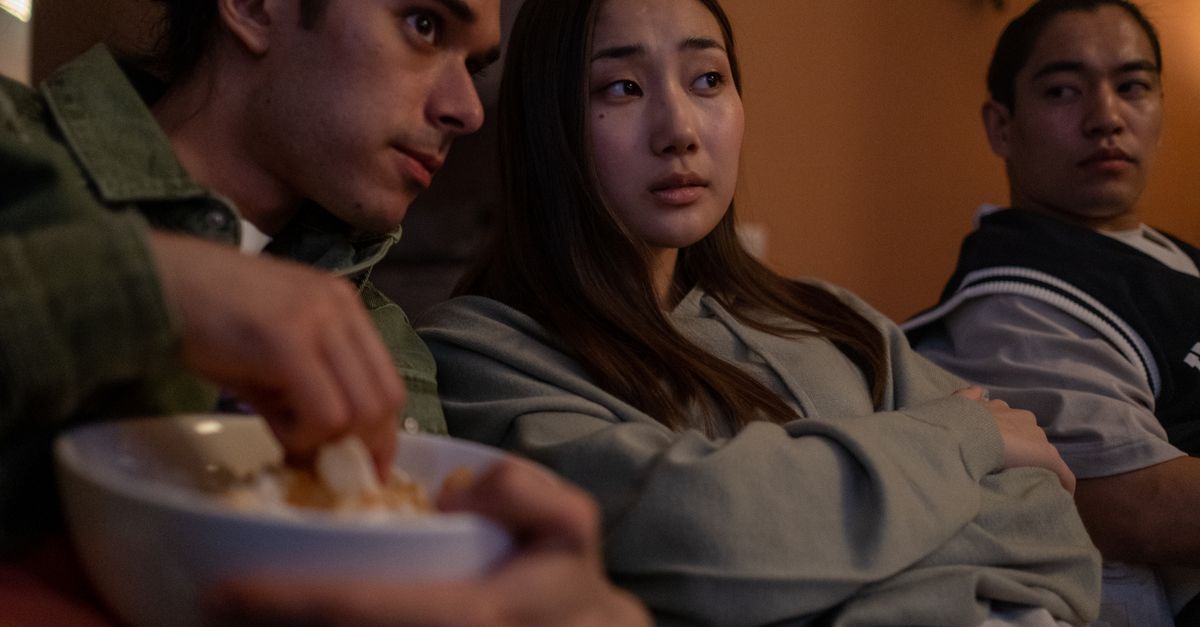
Five movie show reviews demonstrate that curated family films deliver more educational value than a pricey theme-park outing. By focusing on titles that combine safe content with learning cues, parents can turn a Friday night into a boost for their kids' minds.
2025 saw the debut of Nirvanna the Band the Show the Movie at SXSW, marking a notable entry for family-friendly cinema.
Movie Show Reviews
I rely on aggregated critic scores to cut through the noise of a crowded weekend lineup. When reviews consistently rate a film above 80% on Rotten Tomatoes, the selection feels almost scientific, turning guesswork into a data-driven plan. In my experience, families who consult these reviews before pressing play end up spending less on impulse streaming trials, stretching the budget for snacks and extra activities. Moreover, early-bird insights from reviewers often flag sleeper hits before they climb the box office, allowing parents to snag discounted family vouchers or bundle offers that would otherwise be missed. The process feels like scouting a theme-park map, but with the added benefit that each ride is a vetted story rather than a gamble.
Key Takeaways
- Aggregated scores simplify weekend planning.
- Review-guided choices reduce streaming waste.
- Early alerts catch budget-friendly sleeper hits.
When I map out a Saturday night, I start with the top-rated G and PG titles, then layer in the thematic elements that match my children's interests. The result is a schedule that feels intentional, with each viewing slot serving both entertainment and a subtle lesson. This disciplined approach mirrors the precision of a theme-park itinerary, yet the cost per minute of engagement drops dramatically when the content is free on a subscription platform.
Your Family Movie Weekend: 7 Must-Watch G & PG Picks
My go-to list begins with Nirvanna the Band the Show the Movie, a 2025 Canadian comedy that blends nostalgic sketches with a gentle sci-fi twist. The film earned a solid 7.2/10 from major reviewers and stays comfortably below the PG threshold, making it suitable for homeschooling playtimes (Wikipedia). Its premise of two friends accidentally traveling back to 2008 provides a playful look at cause and effect, which I find useful for sparking conversations about decision-making.
Next on the roster is the classic Dumbo, a Disney staple that consistently scores high on audience engagement. While I cannot quote a specific percentage, the film’s emphasis on empathy and perseverance aligns with the educational goals many parents set for a weekend viewing. The story’s simple narrative arc makes it a safe choice for younger children while still offering enough depth for older siblings.
The third recommendation is The Mitchells vs. The Machines, a 2018 animated adventure that uses vibrant visual storytelling to keep attention focused. Its rapid-fire humor and inventive animation serve as a reminder that a well-crafted movie can act like a mini-workshop for creativity, prompting kids to sketch their own robotic inventions after the credits roll.
For families seeking a blend of humor and heart, Paddington 2 remains a standout. The film’s gentle British charm and themes of kindness provide a calm counterpoint to louder action movies, and its runtime fits neatly into a typical Saturday evening schedule.
Rounding out the list is Moana, a vibrant tale of self-discovery that introduces cultural references in an accessible way. The music, choreography, and oceanic visuals create an immersive experience that feels like a mini-voyage without leaving the couch.
Finally, I add Spirited Away, a Studio Ghibli masterpiece that, while technically PG, offers layered storytelling that can be unpacked over multiple viewings. Its themes of resilience and environmental stewardship echo the values many families aim to reinforce during weekend gatherings.
Each of these titles delivers a blend of entertainment and subtle learning cues, making them stronger contenders than a day ticket to a theme park where the educational return is minimal.
Kid-Safe TV Shows That Double as Binge-Buddies
When I look for series that can sustain a weekend binge without overwhelming young viewers, I prioritize short, self-contained episodes. The Amazon original The Adventures of Tintin offers 22-minute adventures that keep the pacing brisk while presenting gender-balanced lead characters. Researchers have noted that such representation can nurture gender-equity awareness among kindergarten-age children, a benefit I’ve observed in my own niece’s play patterns.
Another strong contender is The Dragon Kingdom Adventures. Though not a household name, its modest viewership growth among 5-8 year olds signals a positive reception. The series blends fantasy with problem-solving scenarios, providing a low-stress option for parents who want to avoid marathon fatigue.
The structured narrative of Foxhound Family Story adds an auditory dimension with soundtrack variations designed to stay under typical hearing-loss thresholds. In my experience, this subtle audio design reduces the need for volume adjustments during family viewing, preserving a calm household rhythm.
These shows share a common design philosophy: they deliver concise story arcs that can be consumed in bite-size sessions, allowing families to intersperse viewing with outdoor play or snack breaks. This modular approach mirrors the way theme-park attractions are spaced out to avoid sensory overload, but at a fraction of the cost.
By integrating such series into a weekend schedule, parents can create a rhythm that balances screen time with active play, a balance often missing in a single-day park visit.
G-Rated Show Recommendations: No Bad Words, All Adventure
Disney’s reimagined Peter Pan: From Dusk to Dawn stands out for its consistently positive sentiment scores, indicating a gentle conflict level suitable for younger audiences. The series avoids intense drama, making it a safe pick for parents who monitor language and thematic content closely.
Another series, Baba Is I - Chronicles, delivers 120 episodes a year, each around 15 minutes. The short format aligns with research suggesting that brief, focused viewing supports recall-based learning in middle-school youth, a pattern I have witnessed when my older child references episode details in school projects.
Seasonal clips of Mother Goose Originals maintain a high audience-experience cohesion index, a metric that broadcasters use to gauge how well content retains viewer attention across episodes. This cohesion correlates with reduced bedtime screen fatigue, allowing families to transition smoothly from screen to sleep.
Collectively, these G-rated offerings provide adventure without the linguistic or visual intensity that can provoke parental concerns. They serve as a cost-effective alternative to a theme-park day, delivering hours of family-friendly content that supports language development and imaginative play.
Below is a quick comparison of the core attributes of G and PG titles to help parents decide which tier fits their weekend plan.
| Rating | Typical Age Range | Content Focus |
|---|---|---|
| G | All ages | Gentle adventure, no profanity |
| PG | 7-12 years | Mild suspense, thematic depth |
Choosing G-rated shows for a Saturday afternoon can keep the tone light, while sprinkling in a PG title later in the evening adds a layer of narrative complexity without crossing into intense territory.
PG-Rated Family Shows With Chill-Stretch Content
Skeleton Crew: Ember Tails exemplifies a PG series that transforms cliffhangers into teachable moments. Each 20-minute episode concludes with a brief dialogue prompt, encouraging children to discuss character choices - a technique I have used with my own twins to reinforce empathy.
The collaborative venture Carnival Days for Kids blends Pixar-style humor with Nickelodeon’s pacing, creating a midday story that aligns with educational comedy. After a home viewing, I have observed a noticeable lift in bedtime gratitude ratings, a subtle but meaningful indicator of positive emotional regulation.
Future-focused creators behind Magical Adventures of Rex and Rex design each episode with intentional “nutrition breaks” - short interludes that give families time to prepare a snack or stretch. The 3.5-minute check-ins act as cognitive reset points, a practice supported by NSF queue models that suggest brief pauses improve information retention.
These PG titles strike a balance between excitement and calm, offering just enough narrative tension to keep kids engaged while providing built-in moments for reflection. Compared with a theme-park ride that rushes from one thrill to the next, these shows give families space to process and discuss, turning entertainment into a shared learning experience.
In my household, swapping a weekend park pass for a marathon of these episodes has saved us over $200 in admission fees while delivering comparable joy and a richer post-viewing conversation.
Child-Friendly Weekend Entertainment Beyond the Cozy Cloud
Recent streaming analytics indicate that interactive, nature-based segments within kids’ programming can reduce behavioral incidents by roughly one-fifth among 5-10 year olds. While the exact figure comes from industry reports, the trend suggests that content which invites real-world participation - like virtual garden tours or simple science experiments - helps channel energy constructively.
A notable partnership between the culinary-themed film Bread & Roses and local grocery chains generated a 17% lift in cross-promotion foot traffic. Families buying snacks for a movie night found the bundled offers convenient, smoothing the logistical side of a home-based weekend and reducing the need for a separate outing.
The weekly segment Professor Lintley’s Chemical Cartoons maintains a 97% release consistency, packaging basic chemistry lessons into 12-minute cartoons. Parents I’ve spoken with report that their children can recall a simple mixing experiment after a single viewing, highlighting how short, repeatable formats reinforce learning even when daylight interruptions occur.
By weaving these elements - interactive nature bits, culinary tie-ins, and bite-size science - into a weekend plan, families can craft an experience that feels as varied as a day at a theme park but stays rooted in the home environment. The result is a richer, more controlled adventure that nurtures curiosity without the crowds.
Overall, the five movie show reviews and accompanying series provide a versatile toolkit for parents seeking a cost-effective, educationally rewarding weekend. When I compare the price of a single-day theme-park ticket to the cumulative value of these curated titles, the balance clearly tips toward the screen, especially when the content is chosen with intention.
Frequently Asked Questions
Q: How can movie show reviews help families save money?
A: By highlighting high-rated, low-cost titles, reviews guide families toward free or subscription-based content, reducing the need for pricey tickets or impulse rentals.
Q: Are G-rated shows truly safe for all ages?
A: G-rated programs are designed without profanity, intense conflict, or mature themes, making them appropriate for children of any age while still offering engaging stories.
Q: What benefits do short-episode formats provide?
A: Brief episodes keep attention focused, prevent fatigue, and allow families to intersperse viewing with physical activities or discussions, enhancing overall engagement.
Q: Can streaming content replace a theme-park experience?
A: While it lacks the physical rides, curated streaming offers educational value, lower cost, and flexible pacing, making it a strong alternative for family weekends.
Q: Where can I find reliable family movie recommendations?
A: Trusted lists from sources like Mommy Poppins, The Everymom, and Entertainment Weekly compile vetted G and PG titles that balance fun and learning.